YouTube SEO: Auto-Publish Video Transcripts as Blogs
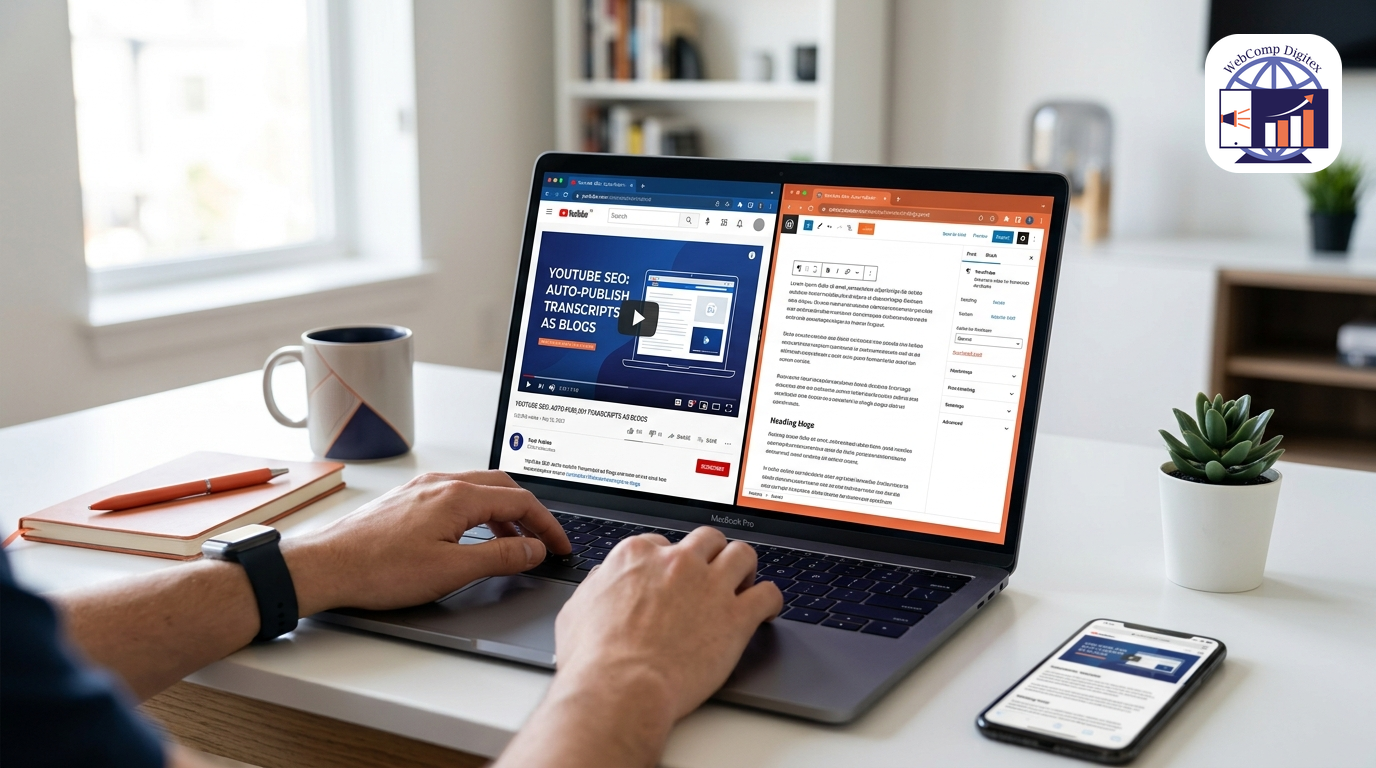
In today's digital landscape, content creators are constantly seeking ways to maximize their reach and improve their search engine visibility. If you're publishing videos on YouTube, you're sitting on a goldmine of content that could be working twice as hard for you. The secret? Transforming your video transcripts into SEO-optimized blog posts—a powerful YouTube SEO strategy that smart marketers are using to dominate search results.
Video content and written content serve different purposes in your marketing funnel, but they complement each other perfectly. While YouTube is the world's second-largest search engine, Google still drives the majority of web traffic. By converting your YouTube video transcripts into blog articles, you're essentially doubling your SEO footprint without creating entirely new content from scratch.
This comprehensive guide will show you how to leverage YouTube SEO by auto-publishing video transcripts as blogs, helping you capture more organic traffic, improve your search rankings, and establish greater authority in your niche.
Understanding the Power of YouTube SEO and Content Repurposing
YouTube SEO is more than just optimizing your video titles and descriptions. It's about creating a comprehensive content ecosystem that leverages multiple platforms and content formats to maximize visibility. When you publish a video on YouTube, you're reaching viewers who prefer visual content. But what about the millions of users who prefer reading or who discover content through Google searches?
This is where transcript-based blogging becomes invaluable. Google cannot watch your videos, but it can read and index written content. By transforming your video transcripts into well-structured blog posts, you're giving search engines exactly what they need to understand your content and rank it accordingly.
The benefits of this YouTube SEO strategy extend beyond search rankings:
- Increased discoverability: Your content can now rank in both YouTube and Google search results
- Improved accessibility: Not everyone can or wants to watch videos; text-based content serves those audiences
- Enhanced engagement: Readers can skim, scan, and search text content more easily than videos
- Better content longevity: Blog posts typically have a longer shelf life than social media content
- Stronger backlink potential: Other websites are more likely to link to written articles than videos
Platforms like Blogauto.ai have recognized this opportunity and built solutions specifically designed to automate the process of converting video content into SEO-optimized blog posts, making this YouTube SEO technique accessible even to those without technical expertise.
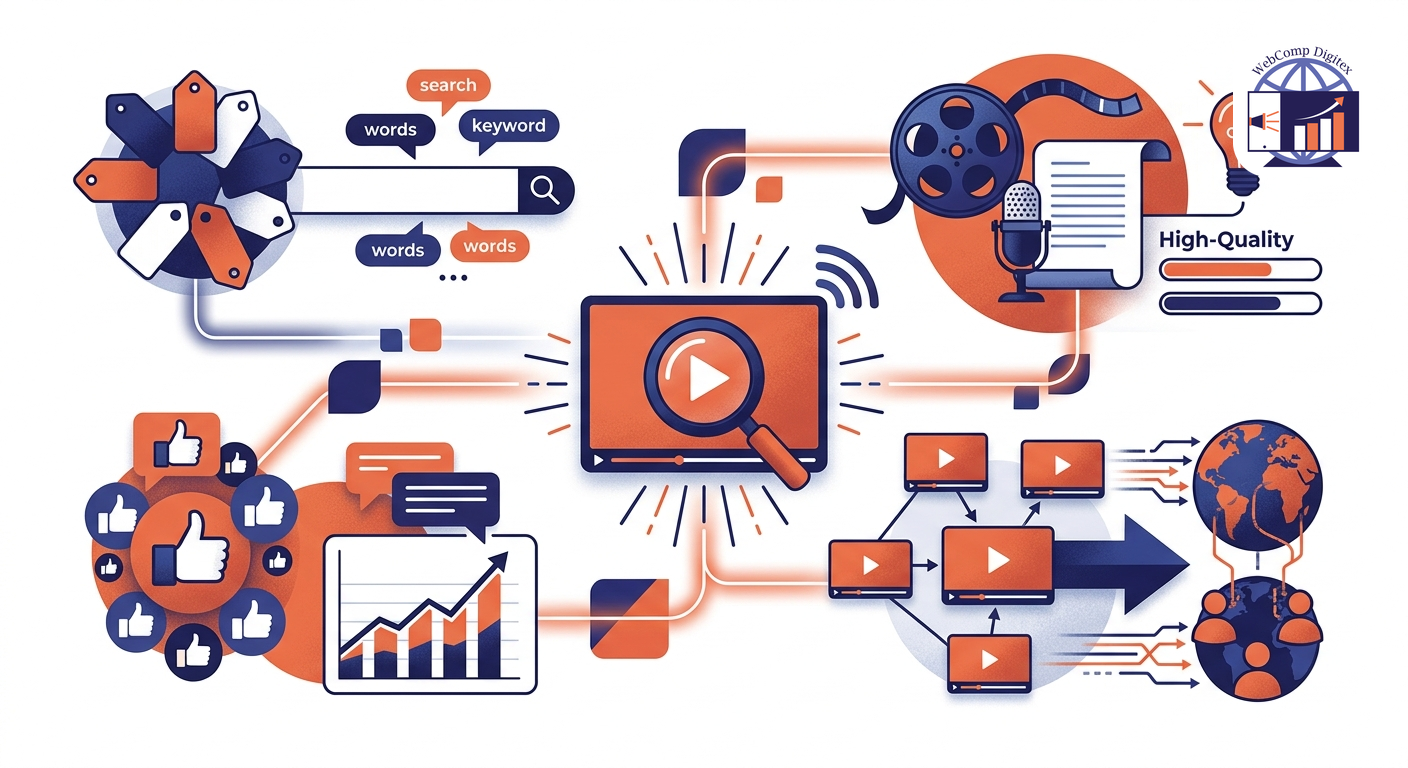
How Video Transcripts Boost Your YouTube SEO Strategy
Transcripts are the foundation of an effective multi-platform content strategy. When properly optimized and published as blog content, they create a powerful synergy that enhances your overall YouTube SEO performance.
The SEO Value of Transcribed Content
Search engines rely on text to understand context, relevance, and quality. When you publish your video transcripts as blog posts, you're providing search engines with rich, indexable content that helps them understand what your videos are about. This improved understanding can lead to better rankings for both your videos and your blog content.
Moreover, transcript-based blog posts naturally contain long-tail keywords and conversational phrases that people actually use when searching. Unlike carefully crafted marketing copy, spoken content in videos tends to be more natural and question-based—exactly the type of content that performs well in today's voice-search-optimized world.
Creating Backlink Opportunities
Another crucial aspect of YouTube SEO is building authority through backlinks. While it's possible to earn backlinks to your YouTube videos, it's far more common for websites to link to written articles. By having both formats available, you increase the likelihood that other content creators will reference and link to your work, boosting your domain authority and search rankings.
Enhancing User Experience and Engagement Metrics
Google's algorithms increasingly prioritize user experience signals. When visitors land on your blog post about a topic and find both written content and an embedded video, they're likely to spend more time on your page—a positive engagement signal. This multi-format approach caters to different learning preferences and can significantly reduce bounce rates while increasing time on page.
Automating the Process: From YouTube Video to Published Blog Post
Manually transcribing videos and reformatting them into blog posts is time-consuming and inefficient. Fortunately, modern technology has made it possible to automate this entire workflow, allowing you to focus on creating great content while the technical aspects handle themselves.
The Traditional Manual Approach (And Why It's Inefficient)
Traditionally, converting a video to a blog post involved multiple steps: downloading the video, using transcription software, cleaning up the transcript, formatting it for the web, adding images and headings, optimizing for SEO, and finally publishing. For a single 10-minute video, this process could take 2-3 hours of dedicated work.
For content creators publishing multiple videos per week, this manual approach quickly becomes unsustainable. That's where automation becomes not just convenient, but essential for scaling your YouTube SEO strategy.
How Auto-Publishing Platforms Work
Modern AI-powered blog writing platforms like Blogauto.ai can automatically detect when you publish a new YouTube video, transcribe the content, structure it into a readable blog format, optimize it for search engines, and publish it to your website—all without manual intervention.
The process typically follows these steps:
- Video detection: The platform monitors your YouTube channel for new uploads
- Automatic transcription: AI transcribes the audio with high accuracy
- Content transformation: The transcript is restructured into readable paragraphs with proper headings
- SEO optimization: Keywords are identified and optimized, meta descriptions are created
- Image extraction: Thumbnails and video frames are incorporated into the post
- Automatic publishing: The finished post is published to your blog on a schedule you define
This automation ensures consistent content publication, which is crucial for maintaining strong YouTube SEO performance and keeping your audience engaged.
Integration with WordPress and Other Platforms
Most serious bloggers and businesses use WordPress as their content management system. The good news is that platforms like Blogauto.ai offer seamless WordPress auto-blogging capabilities, allowing your video transcripts to be automatically published to your WordPress site with proper formatting, categories, and tags.
This integration means your YouTube SEO strategy works in harmony with your existing website infrastructure, creating a unified content ecosystem that maximizes your visibility across search engines.

Best Practices for Optimizing Video Transcripts as Blog Content
While automation handles the heavy lifting, understanding best practices ensures your transcript-based content performs optimally for YouTube SEO and general search visibility.
Structuring Your Content for Readability
Raw transcripts are rarely publication-ready. They need structure, including:
- Compelling headlines: Your H2 and H3 headings should be descriptive and keyword-rich
- Logical flow: Break the transcript into sections that make sense when read
- Paragraph breaks: Large blocks of text are intimidating; break content into digestible chunks
- Bullet points and lists: These improve scannability and help readers find key information
- Introduction and conclusion: Frame the content with context and key takeaways
Quality AI platforms understand these requirements and automatically structure content accordingly, ensuring your YouTube SEO efforts result in genuinely valuable blog content.
Keyword Optimization Without Overstuffing
Since your videos likely already discuss your target topics naturally, transcripts usually contain relevant keywords. However, strategic optimization can enhance their effectiveness. Focus on:
- Including primary keywords in the title, first paragraph, and conclusion
- Using semantic variations and related terms throughout the content
- Optimizing meta descriptions and image alt text
- Creating internal links to related content on your site
Remember that YouTube SEO isn't just about keywords—it's about creating comprehensive, valuable content that genuinely serves your audience's needs.
Adding Value Beyond the Transcript
The best transcript-based blog posts don't just replicate the video verbatim. They add supplementary value through:
- Embedded videos: Include the original YouTube video within the post
- Additional resources: Link to related articles, tools, or downloads
- Updated information: Add current statistics or developments since the video was published
- Visual elements: Include relevant images, infographics, or screenshots
- Calls-to-action: Guide readers toward next steps, subscriptions, or conversions
This enhanced approach makes your content more valuable to readers while providing additional signals that improve your YouTube SEO and overall search performance.
Measuring Success: KPIs for Your YouTube SEO Content Strategy
Implementing a strategy of auto-publishing video transcripts is only valuable if it delivers measurable results. Tracking the right metrics helps you understand what's working and where to optimize.
Traffic and Ranking Metrics
Monitor these key indicators to assess your YouTube SEO performance:
- Organic traffic growth: Track increases in visitors from search engines to both your blog and YouTube channel
- Keyword rankings: Monitor where your transcript-based posts rank for target keywords
- Click-through rates: Measure how compelling your titles and meta descriptions are in search results
- Referral traffic: Track how much traffic flows between your blog and YouTube channel
Engagement Metrics
Beyond traffic, engagement indicates content quality:
- Time on page: Longer sessions suggest valuable, engaging content
- Bounce rate: Lower bounce rates indicate content relevance
- Pages per session: Internal linking should encourage readers to explore more content
- Comments and shares: Social engagement signals content resonance
Conversion Metrics
Ultimately, your YouTube SEO strategy should contribute to business goals:
- Email subscriptions generated from blog posts
- YouTube channel subscriptions from blog readers
- Product or service inquiries
- Affiliate revenue or direct sales
By regularly analyzing these metrics, you can refine your approach and maximize the return on your content investment. Platforms like Blogauto.ai often include analytics features that help you track these performance indicators from a centralized dashboard, making it easier to optimize your YouTube SEO strategy over time.
Frequently Asked Questions
How does publishing video transcripts improve YouTube SEO?
Publishing video transcripts as blog posts improves YouTube SEO by creating additional indexed content that search engines can read and rank. This increases your overall search visibility, creates more entry points for potential viewers to discover your content, and helps establish topical authority. The blog posts can rank in Google while your videos rank in YouTube, effectively doubling your presence in search results for the same topic. Additionally, blog posts can attract backlinks more easily than videos, which further boosts your domain authority and helps all your content rank better.
Can I automatically publish YouTube transcripts to my WordPress blog?
Yes, you can automatically publish YouTube transcripts to WordPress using platforms like Blogauto.ai. These autoblogging platforms connect to your YouTube channel, automatically transcribe new videos, format the content into readable blog posts, and publish them directly to your WordPress site. You can customize the formatting, scheduling, and optimization settings to match your preferences. This automation saves hours of manual work while ensuring consistent content publication, which is important for both SEO performance and audience engagement.
Will Google penalize duplicate content if I publish my video transcript as a blog?
No, Google will not penalize you for publishing your video transcript as a blog post. This is not duplicate content in the way Google defines it because you're transforming your video content into a different format on your own website. Google understands that transcripts serve a legitimate purpose—providing accessibility and serving users who prefer text content. However, to maximize value, it's best to enhance the transcript with additional elements like headings, images, related links, and supplementary information rather than publishing the raw transcript verbatim. This approach ensures you're providing unique value in the blog format.
How much does it cost to auto-publish YouTube transcripts as blogs?
The cost of auto-publishing YouTube transcripts varies depending on the platform and features you need. Blogauto.ai offers various pricing tiers designed for different user needs, from individual bloggers to large agencies managing multiple clients. Generally, automated solutions are more cost-effective than hiring someone to manually transcribe and publish your videos, especially when you're publishing content regularly. Most platforms charge based on the number of posts published per month or the number of websites you're managing. When evaluating cost, consider the time savings—manual transcription and formatting could take 2-3 hours per video, whereas automation handles it in minutes.
Conclusion
Implementing a YouTube SEO strategy that includes auto-publishing video transcripts as blog posts is one of the smartest moves content creators can make in 2024 and beyond. This approach allows you to maximize the value of every video you create, reaching audiences across multiple platforms and search engines without doubling your content creation workload.
By transforming your video content into searchable, readable, and linkable blog posts, you're not just improving your search rankings—you're building a more comprehensive content ecosystem that serves your audience better. Whether someone prefers to watch, read, or skim your content, you'll have a format that meets their needs.
The key to success lies in automation and optimization. Platforms like Blogauto.ai make it possible to implement this strategy at scale, handling the technical complexities while you focus on creating great content. With proper implementation, tracking, and refinement, this YouTube SEO technique can significantly increase your organic traffic, strengthen your brand authority, and contribute meaningfully to your business goals.
Ready to transform your YouTube content into a powerful blog content engine? Explore how Blogauto.ai can automate your entire workflow and amplify your YouTube SEO results today.
Ready to automate your blog?
Join hundreds of businesses publishing SEO articles on autopilot with Blogauto.ai
Start Free Trial →